Het bericht From Science to Stability: An Interview on BalanceBelt Research at Johns Hopkins verscheen eerst op BalanceBelt.
]]>
Professor of Otolaryngology-Head and Neck Surgery

Master’s student in Biomedical Engineering
Professor of Biomedical Engineering
Together, this multidisciplinary team of clinicians and scientists is advancing our understanding of balance disorders and exploring how innovative solutions like BalanceBelt can improve patient outcomes in real-world settings. Their work bridges clinical practice, neuroscience, and engineering, combining deep scientific insight with a strong focus on practical impact for patients living with severe vestibular dysfunction.
This collaboration marks an important step in generating robust clinical evidence, while further exploring how wearable haptic technology can support balance, mobility, and independence in daily life.
Background & expertise
Could you briefly describe your professional journey and what led you to specialize in Physical Medicine & Rehabilitation and Otolaryngology?
We are a team of clinicians and scientists with a deep interest in improving the lives of individuals living with vestibular disorders. Our work has been shaped by a shared recognition that balance dysfunction is both highly debilitating and often under-addressed. This motivated us to pursue careers that bridge clinical care and research, with the goal of developing more effective diagnostic tools and rehabilitation strategies.
What is your current role at Johns Hopkins University, and what are your main clinical and research interests?
Michael: My lab examines the oculomotor and gait strategies recruited by the brain to compensate for the impairments associated with vestibular disorders. We focus on understanding how patients adapt their movement patterns and how these adaptations can be enhanced through targeted rehabilitation.
Kathleen: My research focuses on how the brain encodes and integrates vestibular signals during natural behaviors, including gaze control and locomotion. We study the neural mechanisms underlying balance and self-motion perception, with a particular emphasis on the objective quantification of how these processes are altered following vestibular loss and how they can be restored or compensated for through intervention.
Connection to BalanceBelt
When and how did you first come across BalanceBelt, and what sparked your interest in the technology?
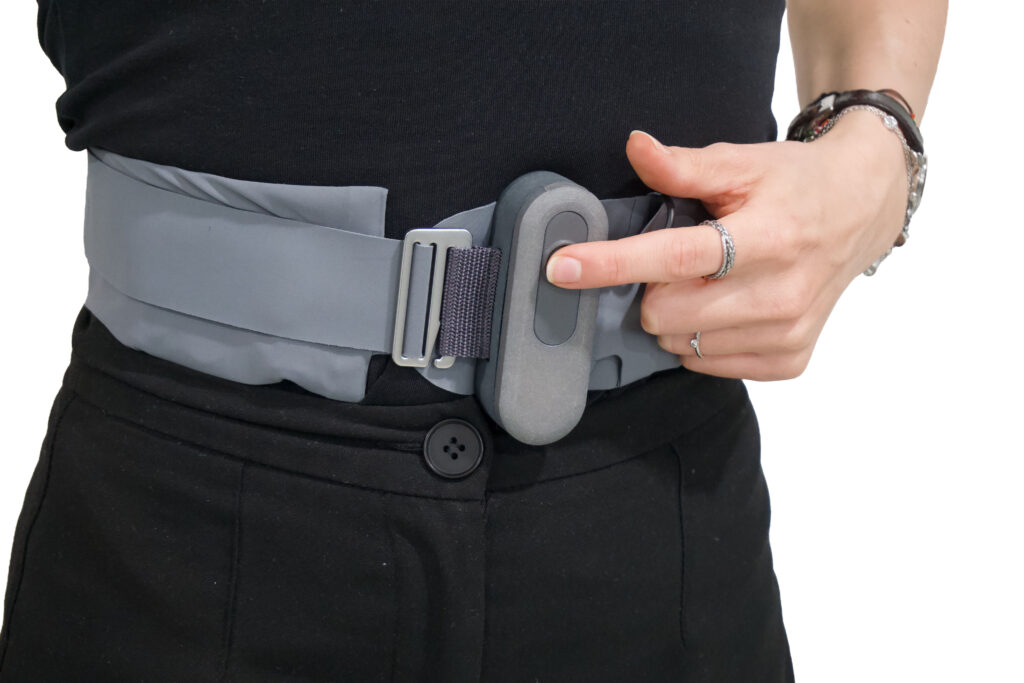
We first learned about the BalanceBelt through professional meetings and the work of Herman Kingma. What immediately stood out was its elegant approach to sensory substitution—providing continuous, intuitive feedback about body orientation in space.
From a clinical perspective, what problem does BalanceBelt aim to solve for your patients?
We are investigating how the BalanceBelt can lead to objective improvements in patients with bilateral vestibular hypofunction. These individuals lack a critical sensory system for balance, and the device offers a potential way to augment their perception of orientation and movement in everyday life.
Clinical study
Could you describe the scope and design of the upcoming clinical study with BalanceBelt?
We are planning a longitudinal study in which patients with bilateral vestibular hypofunction will take the BalanceBelt home and wear it during daily activities over an extended period. We will assess both clinical outcomes and detailed kinematic measures at multiple time points to evaluate adaptation and functional improvement.
What makes this study novel compared to previous research in balance disorders or sensory substitution?
Our study combines real-world use of a sensory substitution device with advanced quantitative analysis of gait and posture using wearable IMUs. This allows us to move beyond traditional clinical scales and directly measure how movement strategies evolve over time.
Which patient population are you focusing on, and why?
We are focusing on individuals with bilateral vestibular loss, as they experience profound balance deficits and have limited treatment options. This population stands to benefit most from technologies that can substitute or augment missing sensory information.
What key outcomes or metrics will you be looking at to determine effectiveness?
IMU based metrics that distinguish fall risk behavior from healthy controls.
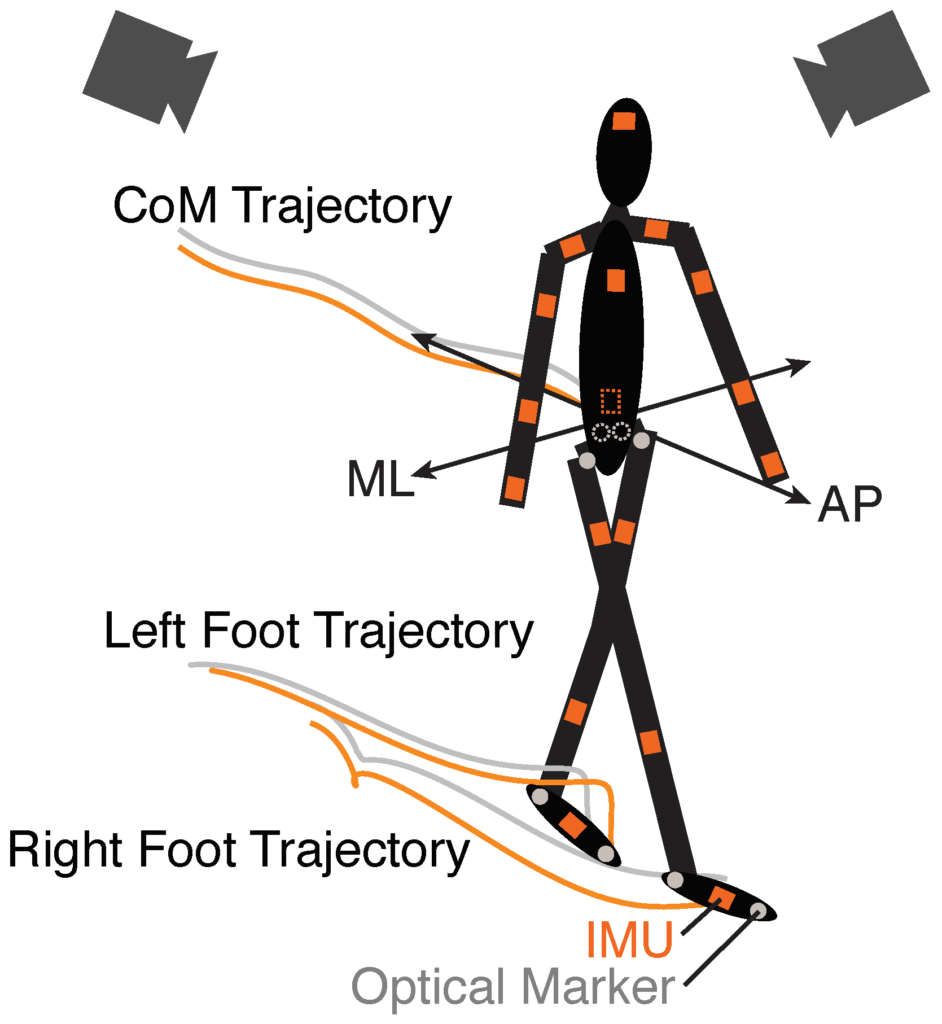
We will focus on IMU-based kinematic metrics that capture features of gait stability and variability known to be associated with fall risk. These objective measures will be compared to healthy controls and tracked longitudinally to assess improvement.
Scientific & clinical impact
How do you see haptic feedback contributing to balance rehabilitation?
Haptic feedback provides an additional sensory channel that the brain can learn to integrate with existing visual and proprioceptive inputs. While the precise mechanisms remain to be fully understood, it offers a promising way to enhance spatial awareness and stability, particularly in patients who lack vestibular input.
If successful, how could this technology change current standards of care for patients with balance disorders?
If effective, this technology could become an important adjunct to rehabilitation, offering patients a continuous source of feedback during daily activities. This could accelerate adaptation, improve functional mobility, and ultimately reduce fall risk.
What are the biggest challenges in translating technologies like this into routine clinical practice?
One major challenge is clinical adoption. There is still limited awareness—both among clinicians and patients—that balance can be trained and improved. Integrating new technologies into standard care pathways will require education, validation, and demonstration of clear functional benefits.
Collaboration
Could you describe the value of a multidisciplinary approach in this project, like the collaboration with Kathleen Cullen’s group?
The combination of clinical insight and the Cullen group’s engineering expertise allows us to move efficiently from concept to implementation. This collaboration ensures that the questions we ask are clinically meaningful while the methods we use are technically rigorous.

How does combining expertise from ENT, rehabilitation, and engineering strengthen the study?
By integrating perspectives from ENT, rehabilitation, and engineering, we can address the problem at multiple levels—from underlying neural mechanisms to real-world patient function. This multidisciplinary approach enables more comprehensive solutions than would be possible within a single field.
Het bericht From Science to Stability: An Interview on BalanceBelt Research at Johns Hopkins verscheen eerst op BalanceBelt.
]]>Het bericht “Helping Children Find Their Balance: Insights from Dr. Josine Widdershoven” verscheen eerst op BalanceBelt.
]]>Dr. Josine Widdershoven – ENT specialist and expert in paediatric balance disorders
What sparked your interest in balance disorders?
“My interest in balance disorders actually started during my ENT training in Maastricht. At that time, Professor Herman Kingma was already working there. In almost every patient discussion, he would ask: ‘How is this patient’s balance?’
I realised I knew relatively little about that topic, and that curiosity really drew me in. Together with Raymond van de Berg, who was training around the same time, I began to focus more deeply on vestibular disorders.”
“What fascinated me immediately is how incredibly important balance is as a sense, and how little people realise this until something goes wrong. Herman Kingma had a wonderful way of explaining complex concepts very clearly and vividly. He was truly an inspiring teacher.”
What makes the vestibular field so compelling to you?
“What I find most interesting is how much there is still to discover. We actually know surprisingly little, while balance problems have a very direct and profound impact on quality of life.
A balance disorder doesn’t just affect motor function; it influences social participation, cognitive functioning, emotional wellbeing, really many aspects of daily life. That complexity makes it a fascinating and important field.”
You work both in Maastricht and Antwerp. How did that develop?
“I spend most of my time in Maastricht, where I work with both adults and children with balance disorders. Over time, it became clear that balance problems in children were far more common than previously assumed, and I wanted to specialise further in that area.
That led me to Antwerp, a centre with extensive expertise in rare and complex paediatric conditions. There was no one in the region specifically focusing on the combination of balance disorders and children, so it became a very complementary second workplace.”
“In Antwerp, I currently see only children, while in Maastricht I treat both children and adults.”
You are also very active in research. What are your main research lines?
“I have two main research lines. The first focuses on how to reliably measure vestibular function in children of all ages, from infants to adolescents. Many existing balance tests are simply not child-friendly.”
“We adapt these tests to make them suitable for children, but then we must rigorously validate them to ensure they still provide reliable clinical information. After more than ten years of research, we now have age-specific protocols that guide us very precisely on which tests to use for which clinical question.”
“The second research line focuses on understanding why some children with poor vestibular function cope remarkably well, while others experience severe limitations. This is highly relevant, not only for rehabilitation, but also for deciding which children might benefit from additional interventions, such as the BalanceBelt or, in the future, a vestibular implant.”
You recently helped establish an international network. Can you tell us more?
“Yes, we recently founded the International Pediatric Balance Network. The Board consists of ten leading experts worldwide, in Europe, the US, Canada and Saudi Arabia, all specialising in balance disorders in children.”

“Our goal is to share knowledge, collaborate in research, and improve access to education. For countries with limited access to specialised training, we also organise freely accessible online lectures. Raising global awareness is an important part of our mission.”
Which conditions do you most commonly see in children?
“The most common diagnosis is vestibular migraine in children, just like in adults. Together with the Bárány Society, we helped define diagnostic criteria for this condition, because although it is very prevalent, we still know relatively little about it.”
“The second large group consists of children with hearing loss. About 50% of these children also have a balance disorder. For decades, clinical focus has been primarily on hearing, which is understandable and important, but if balance is affected as well, these children essentially have a double disability. Recognising that makes a huge difference in how well we can support them.”
What are the biggest challenges in diagnosis and treatment?
“Diagnosis remains the biggest challenge. Balance is still often overlooked, especially in children with hearing loss. Over the past 12 years, we have consistently advocated for routine balance assessment, and we are seeing progress, partly thanks to increasing awareness among parents and clinicians.”
“Treatment is usually physiotherapy, but it needs to be very targeted. Children can only tolerate limited therapy sessions, so it is crucial that therapists know exactly what the underlying problem is.”
“Equally important is counselling, for parents, schools, and caregivers. Children rehabilitate not only in therapy sessions, but also through play, sports, and daily activities.”
How does BalanceBelt fit into your clinical practice?
“I have been using the BalanceBelt with children for about four years now. I mainly introduce it when physiotherapy alone is insufficient or becomes frustrating.”
“Children with bilateral vestibular loss, especially when combined with hearing loss, tend to benefit the most. BalanceBelt is very low-threshold to try, and children generally tolerate it extremely well. It works best when used in collaboration with a physiotherapist, for example during balance exercises.”
Can you share an example that illustrates its impact?
“One memorable case was a teenage girl with progressive bilateral vestibular loss who played football at a very high level. Despite extensive physiotherapy, she struggled with turning and orientation during play. Using the BalanceBelt gave her just that extra support, both physically and in terms of confidence. She also used it while skiing.”
“Interestingly, after about a year she no longer needed it, she felt she had ‘learned’ enough. That is something I often see in children: the BalanceBelt helps them cross a developmental threshold rather than being a permanent aid.”
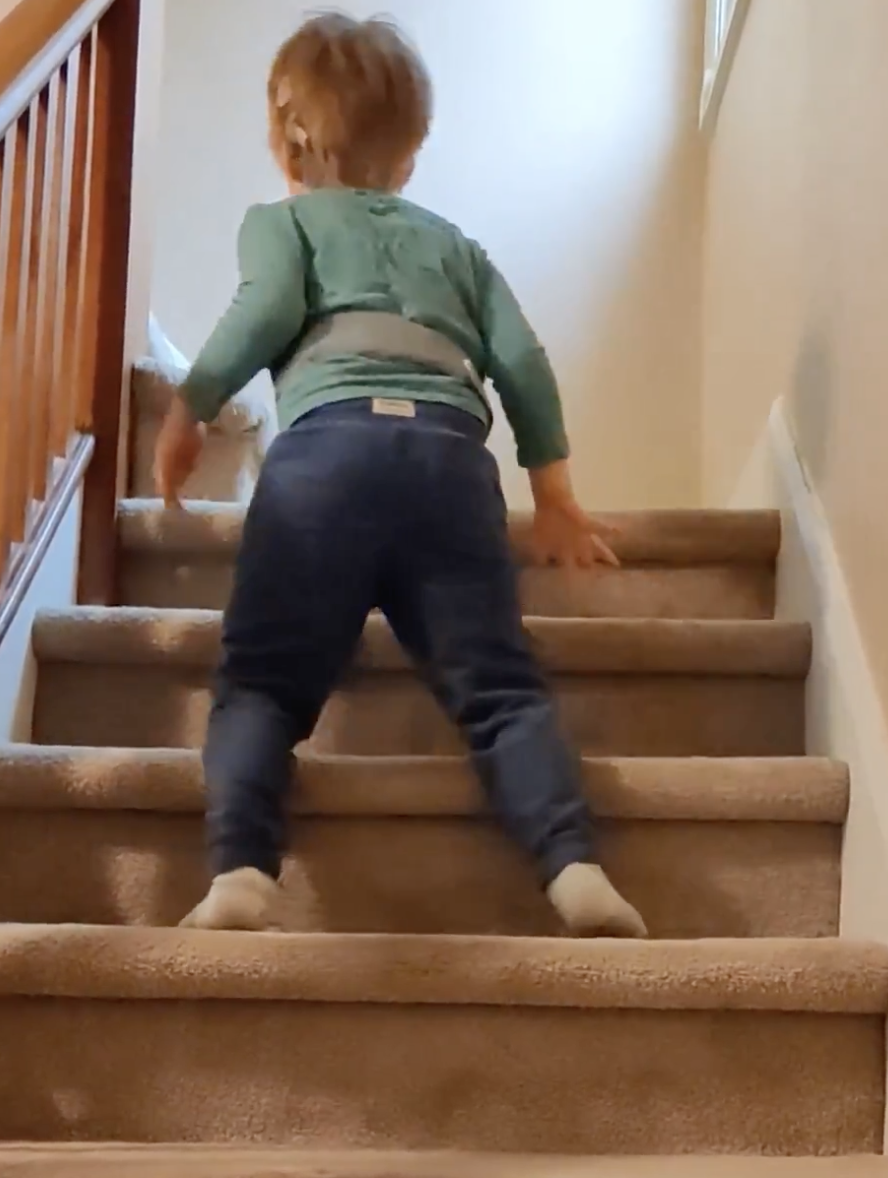
“Another case was a toddler who had been given a walker at age two due to severe balance loss. With the BalanceBelt, she was able to walk independently within months and became an active, running child. Later, she started wearing it again at school, where it helped reduce fatigue and improve focus.”
What would you like other clinicians to know about BalanceBelt?
“For adults, the BalanceBelt needs to be used continuously. In children, however, it frequently acts as a temporary support to help them achieve key motor milestones. That makes a huge difference for their development, participation, and self-confidence.”
And finally: how could BalanceBelt be improved for children?
“Functionally, the current design already works very well and is comfortable. If anything, making it more playful, with colours or themed covers, could help children embrace it even more. Something like a ‘superhero belt’ can make wearing a medical device feel empowering rather than clinical.”
Link to International Pediatric Balance Network: https://www.ipbn.net/about-us
Het bericht “Helping Children Find Their Balance: Insights from Dr. Josine Widdershoven” verscheen eerst op BalanceBelt.
]]>Het bericht The 5 Most Common Vestibular Disorders and What They Mean verscheen eerst op BalanceBelt.
]]>
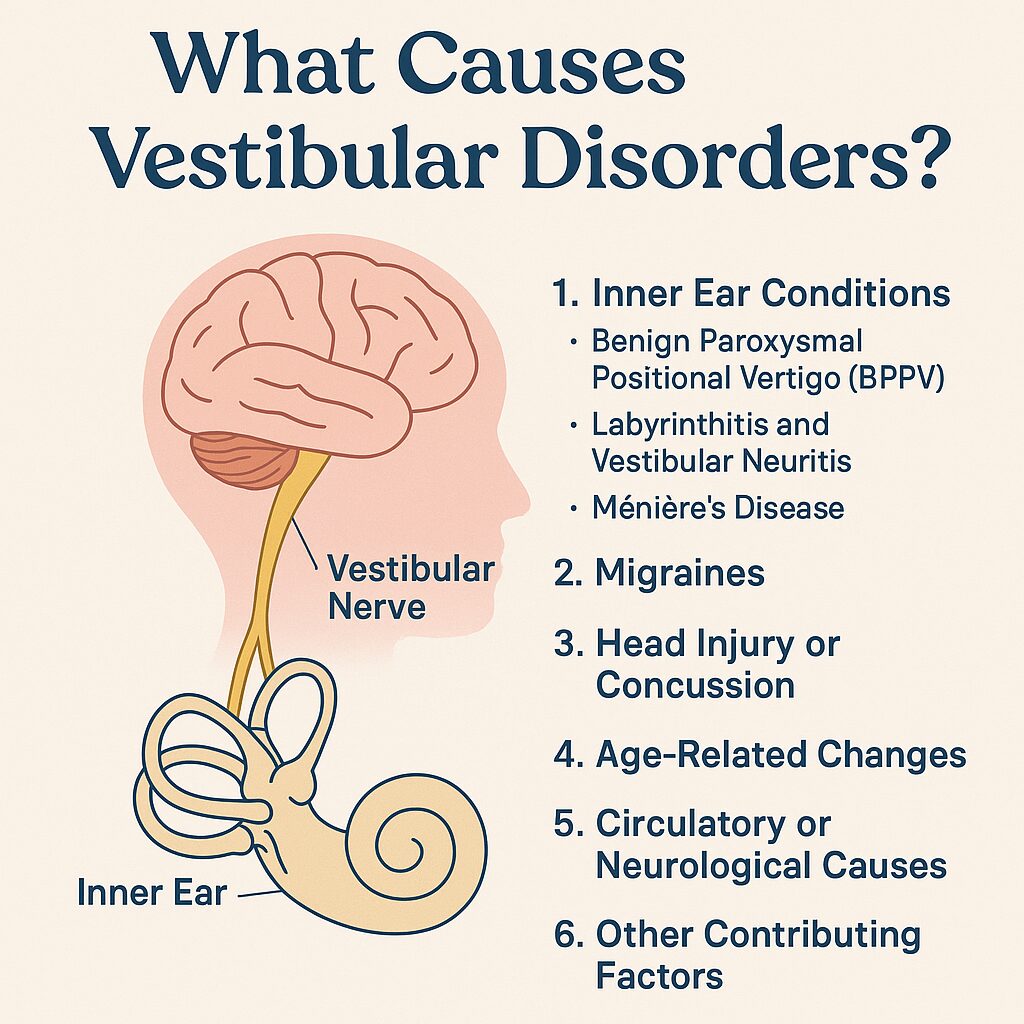
1. Benign Paroxysmal Positional Vertigo (BPPV)
BPPV is one of the most common causes of vertigo. It occurs when tiny crystals in the inner ear move into the wrong place. You’ll usually feel a spinning sensation when you turn your head, roll over in bed, or look up. The good news? BPPV is treatable through specific head movements that guide the crystals back into place.
2. Meniere’s Disease
This condition causes episodes of vertigo, ringing in the ears, and temporary hearing loss. It is linked to fluid pressure changes in the inner ear. Managing salt intake, reducing caffeine, and controlling stress can help reduce the frequency and severity of attacks.
3. Vestibular Neuritis or Labyrinthitis
Caused by inflammation of the balance nerve—often after a viral infection—these conditions lead to sudden, intense dizziness that can last for days. Recovery may take time, and vestibular therapy can help the brain adapt and restore balance.
4. Vestibular Migraine
People with vestibular migraine experience dizziness and imbalance related to migraine activity, even without a headache. Sensitivity to light, motion sickness, and imbalance are common. Treatment focuses on migraine prevention, healthy routines, and managing triggers.
5. Bilateral Vestibular Hypofunction (BVH)
BVH occurs when both inner ears lose function, leading to constant imbalance and unsteady vision during movement. Walking in the dark or on uneven surfaces can be particularly challenging. Rehabilitation focuses on strengthening other senses to help compensate and improve stability.
Understanding Your Diagnosis
Knowing which type of vestibular disorder you have helps you make informed decisions about your care. Each condition has its own pattern, triggers, and treatment options, but all benefit from patience, movement, and support.
Living with a vestibular condition requires courage and adaptation, but it also opens the door to learning new ways to move through life with confidence and stability.
As this is the final blog from Stephanie for now, we want to thank her for sharing her knowledge and personal experience. If you’re looking for ways to feel steadier in your everyday activities, the Balance Belt may help you move more securely and confidently wherever you go.
Written by Stephanie Steggehuis | Marketing Copywriter living with BVH and Oscillopsia
Het bericht The 5 Most Common Vestibular Disorders and What They Mean verscheen eerst op BalanceBelt.
]]>Het bericht Into the Depths of Balance: The Story and Research of Physiotherapist Bart Zwaneveld verscheen eerst op BalanceBelt.
]]>What began with studying professional literature and attending conferences led by ENT specialists and neurologists gradually developed into a true specialization. Through contact with experts such as Herman Kingma, Raymond van de Berg, and Michael Strupp, his fascination with the vestibular domain grew. The gratitude of patients after receiving the correct treatment gave him the final push. This was the field in which he wanted to make a real difference.
From Student to Lecturer

Because many courses failed to answer his questions, Bart began teaching himself. Initially, he was asked “by accident” to give a short lecture; today, he is a highly sought-after lecturer throughout the Netherlands. His intrinsic motivation is to make high-quality, clinically relevant knowledge accessible to fellow physiotherapists.
Dizziness and balance disorders are fortunately receiving increasing attention, and Bart actively contributes through both master’s programs and national continuing education courses.
PhD Research on BPPD in Primary Care
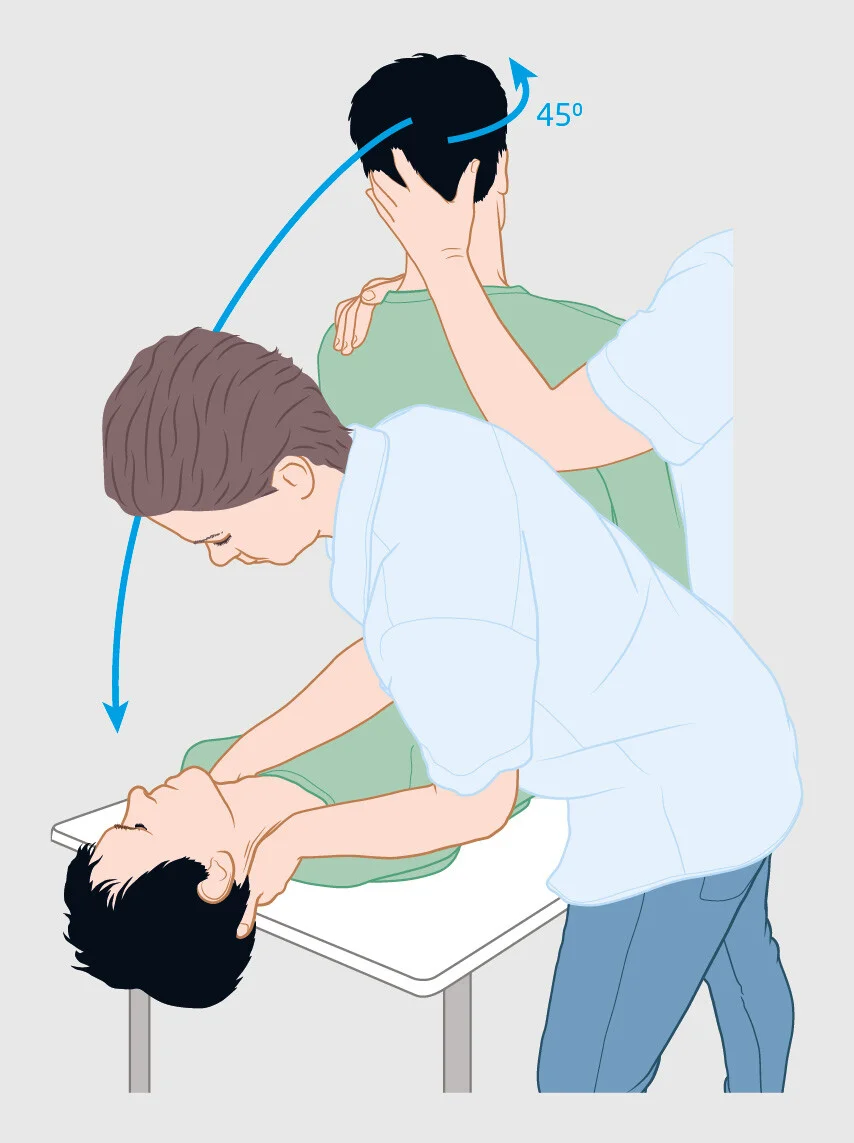
Since the beginning of this year, Bart has been working on his PhD research, focusing on BPPD (Benign Paroxysmal Positional Dizziness). This condition causes dizziness when the head is moved suddenly, lasting from seconds to minutes, and is the most common cause of vertigo.
His research includes several components:
- Optimization of repositioning maneuvers by comparing parameters such as speed and execution
- Patient experience, including symptom intensity, nausea, and anxiety
- The role of explanation and counseling during testing and treatment
- Long-term outcomes and mapping residual symptoms
- Objective measurements using VNG (videonystagmography) to make vestibular testing as sensitive as possible in primary care
His mission is to make vestibular science accessible and practically applicable for primary care physiotherapists.
Daily Practice: Complex Vestibular Disorders
Through close collaboration with ENT specialists and neurologists, Bart treats a wide spectrum of patients. These include individuals with BPPD (often combined with other conditions), unilateral vestibular loss, Ménière’s disease, vestibular migraine, and bilateral vestibulopathy.
Many patients present only after months or even years of symptoms. Therefore, every treatment starts with careful diagnostics followed by extensive counseling. Understanding the condition gives patients an immediate sense of control.
The core of treatment often consists of vestibular rehabilitation: balance exercises, gaze stabilization and VOR (Vestibulo-Ocular Reflex) training, rebuilding confidence, and helping patients establish a “new normal.”
The BalanceBelt: A Valuable Addition
For some patients, rehabilitation alone is not sufficient. In these cases, the BalanceBelt can provide support. This belt uses subtle vibrations to provide information about body posture, helping the brain compensate more effectively.
Bart sees particular benefits for patients with:
- Bilateral vestibular loss
- Complex balance problems
- Patients for whom rehabilitation shows insufficient effect after three months
He primarily observes improvements in patients’ sense of safety, fatigue levels, mobility, independence, and overall quality of life.
An Impressive Case
One young patient with bilateral vestibular loss functioned like a very frail elderly person due to severe balance problems. Despite intensive rehabilitation, daily functioning remained extremely limited.
With the BalanceBelt, the patient’s fatigue decreased significantly, and he regained the confidence to go outside independently. Although it did not change his work disability status, it did restore his ability to function in daily life—an enormous improvement in quality of life.
Challenges and the Future
The greatest ongoing challenges remain making the correct diagnosis, providing emotional support, and helping patients truly understand their condition. Motivation among this patient group is high, which makes the work especially rewarding.
Bart enjoys thinking about future developments, whether it involves new applications such as vibrations at different frequencies or concepts like “balance socks” that provide feedback through the soles of the feet or calf muscles. Innovation in the field of balance never stands still.
A Mission for Better Care
Bart’s work in clinical practice, education, and research comes together in one clear ambition: improving care for patients with dizziness and balance disorders and making this care accessible throughout primary healthcare.
Through his research, teaching, and continuous pursuit of improvement, he contributes to this mission every day.
Het bericht Into the Depths of Balance: The Story and Research of Physiotherapist Bart Zwaneveld verscheen eerst op BalanceBelt.
]]>Het bericht Why healthy living matters even more when you have a vestibular condition verscheen eerst op BalanceBelt.
]]>Healthy living isn’t about being perfect. It’s about giving your body the best possible foundation to adapt and cope.
Your body’s foundation matters
Your brain and inner ear work closely together to keep you upright and oriented. For that communication to work well, your body needs a stable internal environment. Hydration, blood sugar levels, muscle strength, and overall energy all play a role in how your balance system performs.
When your body is well nourished and well rested, your brain can focus on adapting to changed balance signals instead of constantly trying to compensate for fatigue, stress, or low energy. Small things — like drinking enough water or eating regularly — can have a surprisingly big impact on how you feel.

Movement helps the brain adapt
When you live with a vestibular condition, movement can feel uncomfortable or even scary. But gentle, consistent movement is one of the most powerful tools you have. Every time you move, your brain gets another opportunity to learn how to deal with altered balance input.
This doesn’t mean pushing through severe symptoms. Start small and safe. A short daily walk, light stretching, or simple balance exercises can already support adaptation. Over time, these small movements help rebuild confidence and improve stability. Always listen to your body and move at your own pace
Food and rest are key
What and when you eat matters. Try to eat regular meals, include enough protein, vegetables, and healthy fats, and avoid long gaps between meals. Poor nutrition or dehydration can intensify dizziness, fatigue, and unsteadiness.
And don’t underestimate sleep. Your brain does a lot of its processing, recovery, and adaptation while you rest. Good sleep won’t cure a vestibular condition, but it can make your symptoms more manageable and your days more predictable.
Taking care of your mind
Living with dizziness, imbalance, or visual disturbances can be mentally exhausting. Stress and anxiety often amplify vestibular symptoms, creating a difficult cycle.
Finding small moments of calm can help break that cycle. This might be meditation, breathing exercises, journaling, reading, or talking to someone who truly understands what you’re going through. The goal isn’t to eliminate stress completely, it’s to manage it in a way that supports your recovery.

A healthy routine gives you back control
A vestibular condition can make you feel like your body is no longer predictable. Healthy routines help restore a sense of control. While you can’t always control your symptoms, you can control how you support your body every day.
Over time, those small, consistent choices add up. They can help you feel stronger, steadier, and more confident in daily life.
If you’re looking for extra support while rebuilding those habits, tools like the BalanceBelt can help you move more safely and confidently, step by step, as your brain continues to adapt.
Written by Stephanie Steggehuis Marketing Copywriter living with BVH and Oscillopsia
Het bericht Why healthy living matters even more when you have a vestibular condition verscheen eerst op BalanceBelt.
]]>Het bericht Why fatigue with a vestibular disorder feels so overwhelming. verscheen eerst op BalanceBelt.
]]>What’s really happening

Your vestibular system normally tells your brain where you are in space. When it’s not working properly, your brain has to rely on your eyes and your body’s sense of position to fill in the blanks. That constant effort takes energy. Every movement, every head turn, every change in lighting or noise is extra work for your brain to process.
Fatigue is more than physical
It’s not just your body that feels drained. Your mind can too. Simple tasks like grocery shopping or scrolling on your phone can leave you foggy or irritable. The emotional side of fatigue can be just as tough as the physical side. You might feel frustrated, isolated, or even guilty for not being able to do as much as you used to.
What helps?
Some things that may help:
- Try to see fatigue as your body’s way of asking for balance, not weakness.
- Keep a journal to track when your energy dips, and look for patterns.
- Pace your day by mixing active moments with quiet breaks.
- Prioritise sleep and create small routines that help you wind down.
- Eat nourishing foods and stay hydrated to support your body’s recovery.
- Move regularly, as long as it feels safe and is guided by a professional who understands vestibular conditions.
- And most importantly, remind yourself that rest is not a luxury. It’s part of recovery.

You’re not lazy, you’re adapting
Fatigue doesn’t mean you’re doing something wrong. It means your brain and body are working harder than most people’s just to keep you standing and focused. Give yourself permission to rest without guilt.
If you’re looking for ways to feel more balanced and less exhausted as you go about your day, the Balance Belt could help ease some of that extra effort so you can focus on living again.
Written by Stephanie Steggehuis | Marketing Copywriter living with BVH and Oscillopsia
Het bericht Why fatigue with a vestibular disorder feels so overwhelming. verscheen eerst op BalanceBelt.
]]>Het bericht From Constant Coping to Actually Living Again – Thanks to the BalanceBelt. verscheen eerst op BalanceBelt.
]]>
In 2001, Mrs. De Vries first began experiencing balance problems. It started with mild but persistent dizziness. “I never fell, and I never felt truly nauseous, but it did limit me in my daily life,” she explains. “At work, I had several long periods of sick leave, which was difficult. I really loved my job.”
At the time, she worked in psychosocial support and education at a regional cancer center. “I organized meetings for doctors, nurses, and other healthcare professionals to improve education and psychosocial care for cancer patients. It was work that meant a lot to me.”
However, as her symptoms progressed, her work became increasingly difficult to maintain. “I saw several ENT doctors—first in Den Bosch and later in Eindhoven—and they diagnosed Ménière’s disease. Eventually, I ended up with Professor Kingma in Maastricht. He determined that I had bilateral vestibular hypofunction. The explanation of what that meant hit hard, but it also gave clarity.”
In 2009, she had to stop working completely. “That was very difficult, because my work was a big part of my identity. But I simply couldn’t continue. What followed was a long period of searching, accepting, and learning to live with my limitations.”
A Long Road to Acceptance
The years that followed were dedicated to adapting to a new reality. “I was never afraid to go outside. I went for walks using a cane, because I wanted to keep enjoying nature.”
After a difficult period of grief and fatigue, she slowly found more stability around 2015. “With psychological support and physiotherapy-guided exercise, I gradually regained some balance. I learned to plan my days very carefully: resting the day before an activity and spending two days recovering after. Everything had to be done with caution. That worked—but it limited my life enormously.”
A Chance Discovery
It wasn’t until late August 2025 that she came across the BalanceBelt—completely by coincidence.
“I was searching online for a video to explain my balance disorder to my French son-in-law. That’s how I found the BalanceBelt. I thought: I want to try that! Even though I had just become a widow and was in a difficult emotional period.”
The First Weeks With the Belt
She contacted the BalanceBelt team and was referred to a physiotherapist in Nijmegen. “I travelled to my first appointment without a cane, by train and then by bus — to the physiotherapist’s surprise. I am seemingly just mobile, so people do not see that I have balance problems.”
During that first appointment, she didn’t notice much difference yet. The real change came once she started using the belt in her daily life.
A few days later, she went on a weekend trip with her daughter and son-in-law. “We walked three days in a row, went out for dinner, visited a city, and did some shopping. Normally, I would have been exhausted afterwards. But when I got home, I thought: Where is the fatigue? My daughter even said: ‘I think we are more tired than you are!’”
She could hardly believe it. “A week later, I walked with a friend in the dark, without a cane, on uneven ground. I waited for the fatigue to set in—but it didn’t. That’s when I knew: this really works.”
More Energy, More Freedom
Since using the BalanceBelt, her life has changed dramatically. “I have more energy, more days in the week. I used to have only two or three functioning days — now I have all seven. My mind feels calmer, I sleep better, I enjoy the world around me again.”
Even cycling short distances has become easier. “Before, I had to focus all my attention on cycling. Now I can look around and enjoy the ride.”
The effect is subtle, but powerful. “The belt has made my life so much richer. I can spend my energy on living instead of just coping. I have room in my head again.”
Enjoying Life Again

Over the years, she had adapted her hobbies. From long walks and attending concerts, she moved to more seated activities such as sewing and drawing. “I design Arabic patterns; I make birth cards and birthday cards. If I ran out of energy, I could just stop and continue the next day.”
Now, with more energy, she can slowly rediscover what she wants her days to look like. “That will take some time — I’ve lived more than 20 years with limitations.”
She smiles: “I’m 75, but I feel more active than I have in years. Instead of slowing down, I’m becoming more energetic again. People say I’m glowing. And they’re right — I have all seven days of the week back!”
Het bericht From Constant Coping to Actually Living Again – Thanks to the BalanceBelt. verscheen eerst op BalanceBelt.
]]>Het bericht The hardest part of Bilateral Vestibular Hypofunction isn’t the symptoms…. it’s feeling like you’ve lost yourself verscheen eerst op BalanceBelt.
]]>
When you first get a diagnosis like Bilateral Vestibular Hypofunction (BVH) or any vestibular condition, you expect dizziness, balance issues, maybe nausea. What you don’t expect is how deeply it changes how you feel about yourself. The hardest part often isn’t the physical symptoms. It’s realising that you’re not the same person you used to be.
The loss no one talks about
You might remember walking easily through a store, chatting with friends in a busy café, or driving without thinking twice. Now, things that used to feel effortless can seem impossible. It’s not just frustrating, it’s heartbreaking. BVH happens when both sides of your inner ear stop sending the right signals to your brain. That means your brain has to work much harder to keep you balanced, and every movement takes extra effort.
More than physical
The emotional side of vestibular disorders doesn’t get talked about enough. You’re grieving the version of yourself who could do things freely and confidently. Many people with BVH say that feeling “different” or “not themselves anymore” is harder to accept than the dizziness itself. It’s a strange kind of loss, because on the outside you look the same, but inside everything feels different.
Learning to live as the new you
Healing starts when you stop comparing yourself to who you were. That doesn’t mean you’re giving up. It means you’re allowing yourself to grow into a new version of you. A version that still deserves joy, confidence, and independence.
Try small steps that rebuild trust in your body. Work with a vestibular therapist to help your brain adjust. Make your home safer and easier to move around in. Be honest with friends and family about what you’re feeling. And most of all, be kind to yourself. Progress can be slow, but it’s still progress.
Finding yourself again

You might never go back to exactly who you were, but that doesn’t mean you can’t feel like yourself again. You’re still you, just with a different balance system. And with time, patience, and the right support, you can start to feel steady and confident again.
If you’d like to explore tools that can help you feel more stable and more like yourself, the BalanceBelt may help you regain confidence in your daily life.
The journey to adjustment can be challenging, but you’re not alone. In the next post, Stephanie will explore why fatigue with a vestibular disorder feels so overwhelming, helping you understand one of the most common yet often invisible challenges.
Written by Stephanie Steggehuis | Marketing Copywriter living with BVH and Oscillopsia
Het bericht The hardest part of Bilateral Vestibular Hypofunction isn’t the symptoms…. it’s feeling like you’ve lost yourself verscheen eerst op BalanceBelt.
]]>Het bericht “The BalanceBelt finally offers patients with severe balance loss something to be hopeful about.” – Prof. Dr. Raymond van de Berg verscheen eerst op BalanceBelt.
]]>
At Maastricht UMC+, ENT specialist Dr. Raymond van de Berg has been working for years with patients suffering from severe balance disorders. “In the Netherlands, we’re basically the ‘last resort’ for people with complex balance problems,” he explains. “Patients come to us from all over the country, and even from abroad, because the expertise is concentrated here.”
Alongside his clinical work, Van de Berg is deeply involved in research on vestibular disorders, from diagnostics to innovative treatments such as the artificial balance organ and the BalanceBelt.
The power of interdisciplinary thinking
What drives him in this field? “Balance disorders are incredibly fascinating because they sit at the crossroads of ENT, neurology, ophthalmology, psychiatry, and even physics,” says Van de Berg enthusiastically. “It’s an area where logical reasoning, technology, and clinical experience all come together.”
The BalanceBelt: from idea to impact
Van de Berg became involved with the BalanceBelt through Prof. Herman Kingma, a pioneer in balance research and the inventor of the technology behind the belt.
“In the beginning it was still a university project, but since the collaboration with Elitac Wearables, it has become truly professional,” he says.
The initial experiences with the BalanceBelt were very promising. “Some patients were absolutely ecstatic; others noticed less difference. But what stood out most is that there’s a group of patients who continue using the belt consistently, even after two years. That says something about the value they experience.”
According to Van de Berg, the BalanceBelt works particularly well for patients with severe bilateral vestibular loss, people who have literally lost their sense of balance. “In addition, there seems to be a subgroup of patients with an oversensitive balance system, such as those with 3PD (Persistent Postural-Perceptual Dizziness). For them, the belt mainly helps to restore confidence in their own balance system.”
Challenges and improvements
While he is enthusiastic, Van de Berg also sees challenges ahead. “The biggest one remains distinguishing the true medical effect from the placebo effect. That’s important for recognition, reimbursement, and further scientific validation.”
He also sees room for technical improvement: “The price is still a barrier. And beyond that, we could think of faster feedback, lighter materials, and more individualized settings for each patient.”
The Vestibular Implant (VI): taking the next step
In addition to research on the BalanceBelt, Maastricht UMC+ is also developing the Vestibular Implant (VI), an artificial balance organ. “It’s an implant that, just like a cochlear implant for hearing — electrically stimulates the vestibular nerve,” Van de Berg explains. “In that way, we aim to partially restore the reflexes of the balance organ.”
The potential is huge, but the road is long. “Ten years ago, we thought: within five to ten years this will be ready for patients. And now we’re still saying the same, mainly because of European regulations. The technology is there, the doctors are ready, the patients are ready, but the administrative barriers are enormous.”
Two technologies, each with its own role
How does Van de Berg see the relationship between the BalanceBelt and the Vestibular Implant? “The main difference is that the VI primarily restores reflexes, while the BalanceBelt supports balance. For many patients, that distinction is crucial: those who mainly suffer from balance instability can already benefit greatly from the BalanceBelt. The VI is a surgical option, something for later, or for patients with very severe loss.”
He even sees potential synergy between the two technologies in the future. “Who knows, they might complement each other. The BalanceBelt could be the first step, and the implant the second.”
Raising awareness is key
According to Van de Berg, there’s still much to be gained by improving awareness and diagnosis of balance disorders. “There are still many people walking around with bilateral vestibular loss without realizing it. Doctors and patients often don’t consider the balance system as the root cause. Greater awareness among general practitioners, ENT specialists, neurologists, and patients themselves is crucial.”
“Every step forward counts”
Van de Berg concludes on an optimistic note: “Whether it’s with an implant or with the BalanceBelt, every step that helps people with balance disorders move with confidence again is a victory. And that’s what we work on every day here in Maastricht.”
Het bericht “The BalanceBelt finally offers patients with severe balance loss something to be hopeful about.” – Prof. Dr. Raymond van de Berg verscheen eerst op BalanceBelt.
]]>Het bericht Reclaiming independence: Interview with Claire Snape on BalanceBelt impact. verscheen eerst op BalanceBelt.
]]>
By chance, a colleague suggested audiology, and at that time, in 1997, the profession could still be entered through an apprenticeship rather than a university degree. Claire seized the opportunity, training at the School of Audiology in Nottingham and combining hands-on clinical work with medical physics studies at People’s College. The apprenticeship route not only gave her direct clinical exposure from day one but also spared her university tuition fees.
She went on to build her career in Nottingham before moving to Derby in 2004, where her focus expanded beyond hearing aids into vestibular diagnostics and rehabilitation. Today, Claire works as part of a dedicated multidisciplinary team, delivering comprehensive balance and hearing care, and helping to develop streamlined clinics that bring together audiologists and ENT specialists for patient-centered solutions.
The Patients and Challenges of Vestibular Care
Claire explains that the types of patients she sees have changed over time. In the past, cases of labyrinthitis and vestibular neuronitis were more common, but recently she has noticed a rise in patients with Persistent Postural-Perceptual Dizziness (PPPD). These patients are often more complex, as they may have been on vestibular suppressants for too long, preventing proper compensation and rehabilitation.
She also sees patients with bilateral vestibular loss, though less frequently, around one case per month or every couple of months. For these patients, Claire and her team begin with diagnostic testing and then design tailored rehabilitation programs. Exercises may include head movement and gaze-stabilization tasks, visual-vertigo strategies, foam pad balance training, walking or standing routines, and whole-body exercises. Patients are encouraged to practice these exercises for short periods multiple times a day, with regular follow-ups to monitor progress and increase difficulty as needed. Additionally, resources such as a vestibular migraine video are recommended when relevant.
Among the main challenges Claire highlights are:
- Encouraging patients to reduce reliance on vestibular suppressants.
- Addressing mobility or pain issues, especially in elderly patients.
- Managing long waiting lists, particularly for vestibular physiotherapy.
- Limited access to advanced equipment, such as rotating chairs, which would make repositioning tests easier for patients with mobility or back problems.
Despite these challenges, Claire and her team remain focused on delivering practical, patient-centered vestibular care.
First Experiences with the BalanceBelt
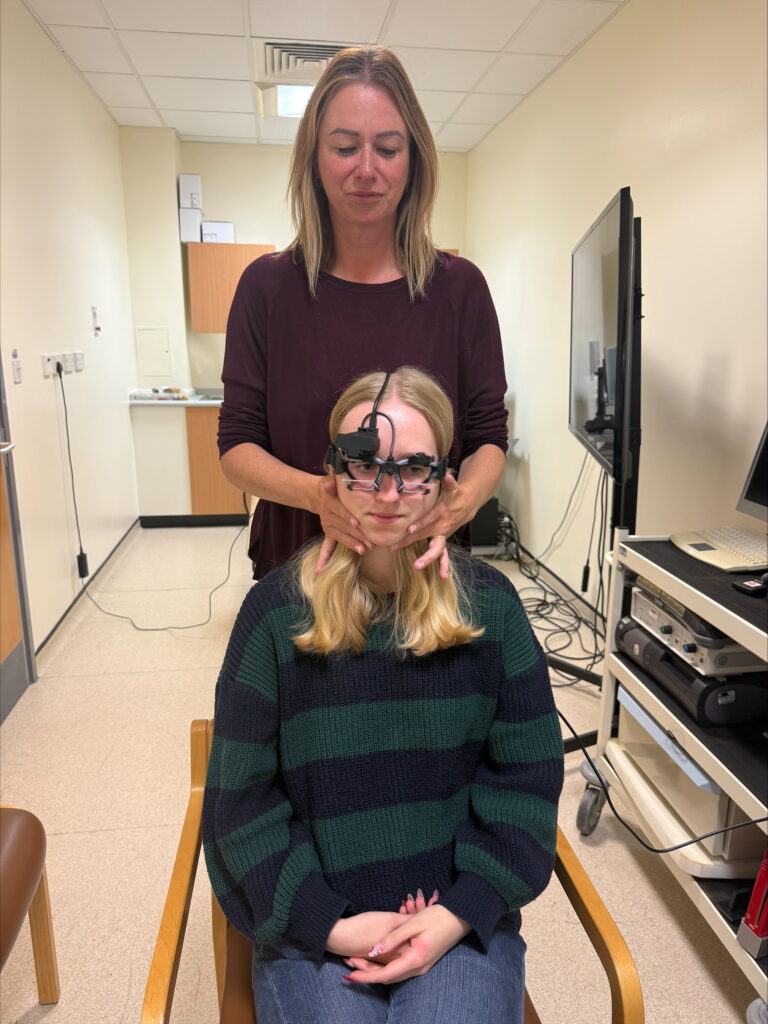
Claire first learned about the BalanceBelt through Dr. Meehan, an audio-vestibular physician who now works privately. Dr. Meehan introduced her to the device and asked Claire to support with diagnostic testing and fittings. Claire was intrigued and excited to try this innovative technology, believing it could offer real benefits. Her only initial concern was whether patients with poor mobility or additional health issues (like spinal problems) would be suitable candidates.
One of the first patients she fitted was “Jenny”, a local woman with bilateral vestibular failure following a respiratory infection. Jenny had been symptomatic since early 2023, with low gain on all six semicircular canal tests and limited progress despite vestibular rehabilitation. By the time she was referred to Claire, she relied on a cane or walking pole, and significant physical support from her husband, especially outdoors.
During the initial assessment, Jenny performed standard standing and walking tests with and without the Balance Belt. After just 15–20 minutes of wearing it, she reported feeling slightly more confident, though the measured improvement was modest. Still, given her long history of symptoms, even small early gains were encouraging.
When Jenny returned about three weeks later, the impact was clear: she walked into the clinic without holding her husband’s arm and was no longer using her walking stick. She described the belt as “invaluable,” saying it had reduced her fear of falling, increased her independence, and allowed her to walk more confidently. Her husband also noticed she relied on him much less. Jenny even regained the ability to move more freely around her garden, a meaningful sign of restored independence.
Broader Implications and Takeaways
From her first experiences, Claire sees strong potential for the BalanceBelt in treating a wide range of vestibular patients, not only those with bilateral vestibular loss, but also unilateral cases and anyone experiencing veering or unsteady walking. She believes it could play an important role in improving mobility, safety, and independence across different patient groups.
Claire also raised the possibility of incorporating the device into the UK’s Access to Work, a governmental project, which helps employees secure practical aids (such as headsets or loop systems) to continue working effectively. The Balance Belt, she suggested, could similarly be offered to patients whose vestibular disorders interfere with their ability to work, providing both clinical and socioeconomic benefits.
As for next steps, Claire highlighted the need for greater awareness of the BalanceBelt among clinicians and patients. She is open to fitting more patients referred either by BalanceBelt or by Dr. Meehan. Looking ahead, she wondered how the device could be integrated into the NHS, perhaps with hospitals purchasing belts and loaning them to patients for defined treatment periods.
Het bericht Reclaiming independence: Interview with Claire Snape on BalanceBelt impact. verscheen eerst op BalanceBelt.
]]>