Dani van Weert, auteur op BalanceBelt https://balancebelt.net/en/author/dani/ Stable walking for people with balance problems Mon, 01 Sep 2025 14:42:12 +0000 en-GB hourly 1 https://wordpress.org/?v=6.8.3 https://balancebelt.net/wp-content/uploads/2022/09/BalanceBelt_Logo_Icon-isolated.png Dani van Weert, auteur op BalanceBelt https://balancebelt.net/en/author/dani/ 32 32 Vote for the BalanceBelt to win the Nationale ZorgInnovatiePrijs 2022 https://balancebelt.net/en/vote-for-the-balancebelt-to-win-the-nationale-zorginnovatieprijs-2022/ Tue, 08 Mar 2022 10:03:18 +0000 https://balancebelt.net/?p=11680 Het bericht Vote for the BalanceBelt to win the Nationale ZorgInnovatiePrijs 2022 verscheen eerst op BalanceBelt.

]]>
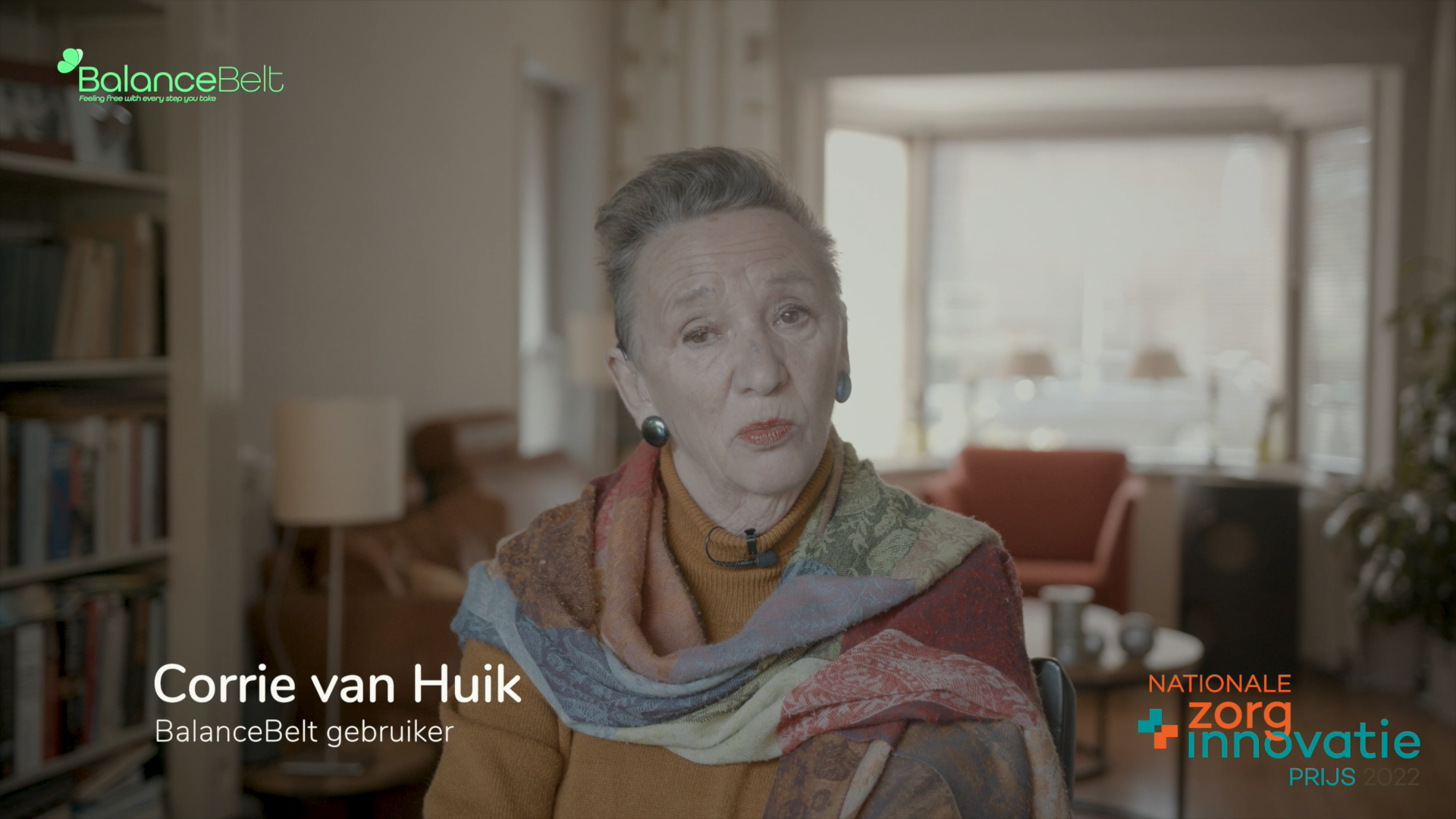
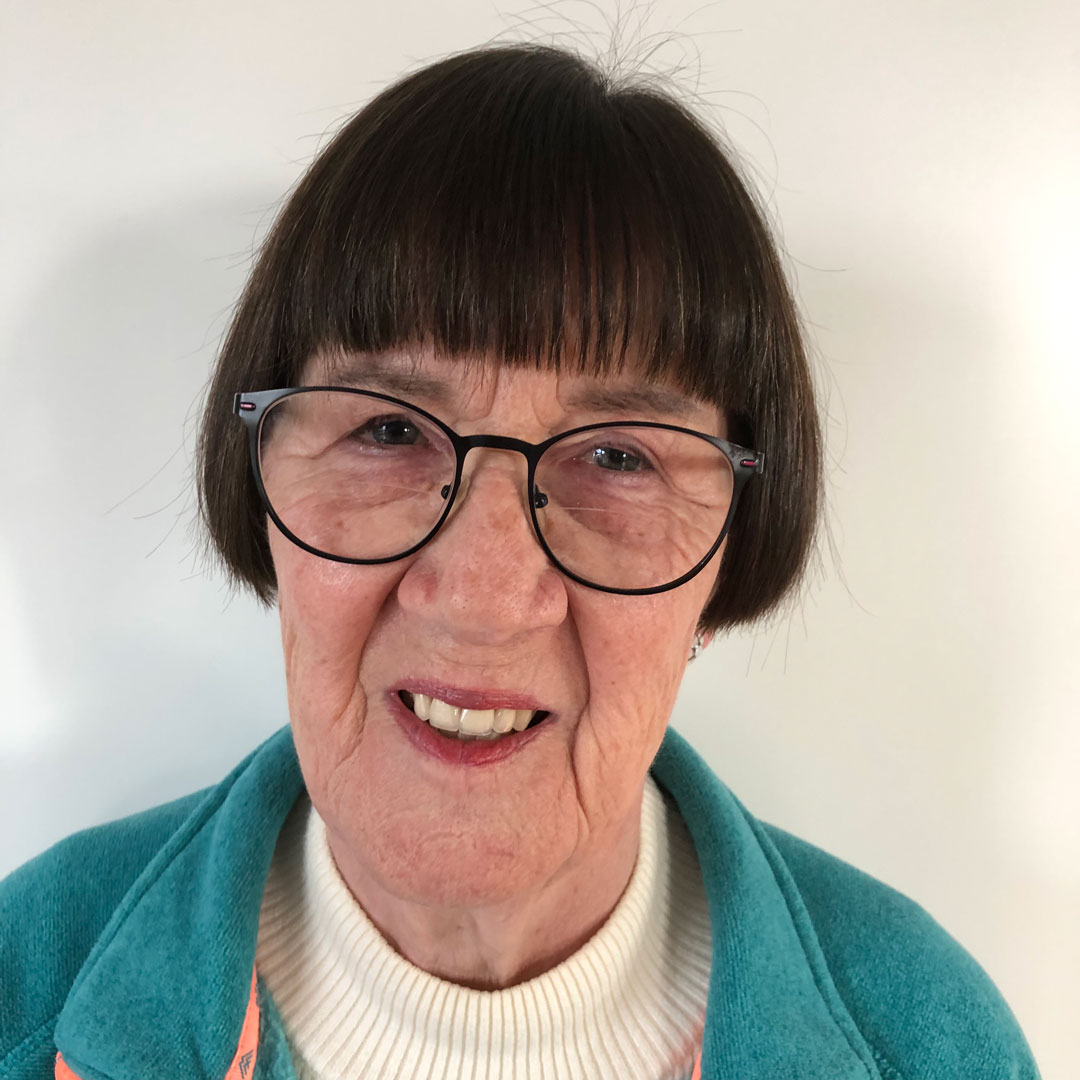
Meet Corrie and hear about her life-changing experience with the BalanceBelt.

Please vote for the BalanceBelt, to win the Health Innovation Award 2022 (Nationale ZorgInnovatiePrijs 2022, part of Health Holland).

With this award, we hope to be able to reach and help more people suffering from balance disorders.

Please vote here: https://www.zorginnovatie.nl/stemformulier-nationale-zorginnovatieprijs-2022

See the BalanceBelt in action here: https://www.youtube.com/watch?v=sl24XOv2iBU

Het bericht Vote for the BalanceBelt to win the Nationale ZorgInnovatiePrijs 2022 verscheen eerst op BalanceBelt.

]]>
BalanceBelt officially registered as Class 1 Medical Device https://balancebelt.net/en/balancebelt-officially-registered-as-class-1-medical-device/ Thu, 04 Nov 2021 10:57:39 +0000 https://balancebelt.brthrs.io/?p=11432 Het bericht BalanceBelt officially registered as Class 1 Medical Device verscheen eerst op BalanceBelt.

]]>

Elitac Wearables has registered the BalanceBelt, a unique, wearable treatment for patients with severe balance disorders, officially as a Class 1 Medical Device with the European Union Medical Device Regulation (MDR). Adherence to the MDR norms attests that the BalanceBelt was developed according to EU MDR patient safety standards and product quality and reliability norms.

15 November 2021, Utrecht (Netherlands) – The BalanceBelt is meant for people suffering from Bilateral Vestibular Hypofunction or Loss (BVH/BVL). These disorders, in which the balance organs in both ears are either impaired or completely non-functional, did not have any sustainable or non-invasive treatment options previously.

Facilitating international distribution

Explaining the decision, Erland Fuglsbjerg, Managing Director of Elitac BalanceBelt B.V. said, “Since we launched the BalanceBelt, we have had growing international interest from patients, physicians and distributors. However, in regions that accept the CE mark, the Class 1 Medical Device classification is required for physicians to prescribe the solution to patients. This registration allows us to enter all the markets that accept Class 1 Medical Devices with a CE mark and reduces many of the costs associated with importing a medical device. This way, we can make the belt available to many more people suffering from BVH/BVL.”

Increased focus on developing medical wearables

The BalanceBelt was developed by Elitac Wearables in collaboration with renowned vestibular expert Prof. Dr Kingma and the Maastricht UMC+ (NL). It is one of several medical wearables developed by the Netherlands-based wearables development company. The company specialises in integrating textiles and electronics, with a particular focus on haptic feedback and sensors.

The BalanceBelt’s MDR registration illustrates Elitac Wearables’ increased focus on developing more wearable medical devices in the future. Co-founder and CEO Merijn Klarenbeek explained, “We see unparalleled potential for wearable technology to improve the lives of people suffering from medical conditions and the standard of medical care.”

“That’s why we are taking steps to achieve ISO 13485 certification for our company. Developing wearables in adherence to this international standard will help ensure that we consistently keep designing, developing and producing medical wearables that are safe to use. We are currently reviewing all our processes and expect to achieve the ISO 13485 certification for our company during the course of 2022.”

“As for the BalanceBelt, its registration as a Class 1 Medical Device is an important step toward helping as many BVH/BVL patients as possible benefit from this unique treatment.”
Het bericht BalanceBelt officially registered as Class 1 Medical Device verscheen eerst op BalanceBelt.

]]>
Mrs Lajusticia Martinez : “I am much more confident moving around!” https://balancebelt.net/en/mrs-carmen-lajusticia-martinez-i-feel-much-more-confident-moving-around/ Thu, 04 Nov 2021 10:19:49 +0000 https://balancebelt.brthrs.io/?p=11416 Het bericht Mrs Lajusticia Martinez : “I am much more confident moving around!” verscheen eerst op BalanceBelt.

]]>

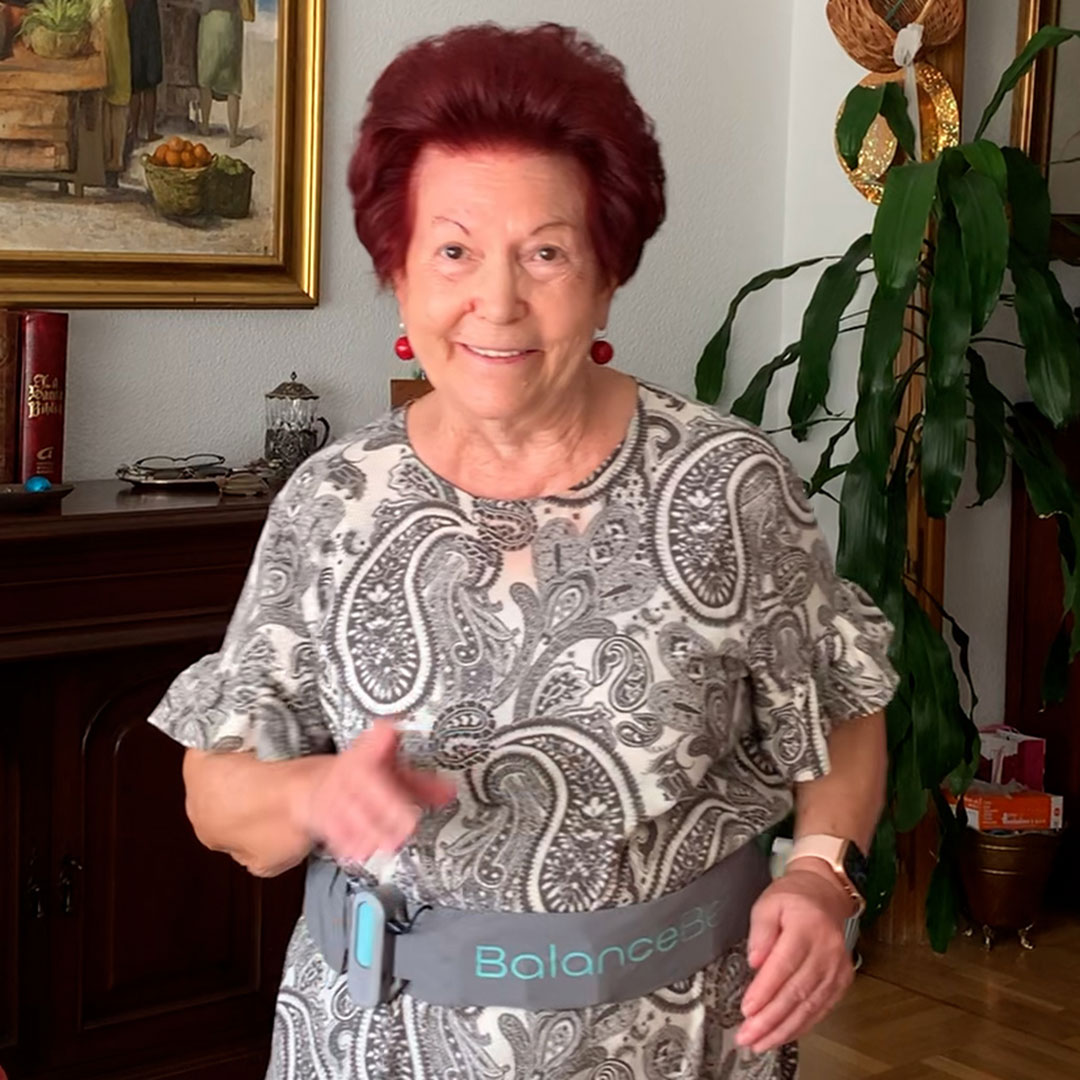
Mrs Carmen Lajusticia Martinez (80) has suffered from a degenerative balance disorder for 20 years. She’s been wearing the BalanceBelt for just over nine months. We asked her about her experience living with a balance disorder and what effect the BalanceBelt has had on her daily life.

Can you please tell us something about your background?
I’ve had balance issues for over 20 years now. During an annual check-up at my GP’s, they noticed my balance wasn’t quite as it should be. But I was still younger and it wasn’t as severe or constant. It would come and go.

I was officially diagnosed in a hospital in Madrid in 2007. They told me I had a balance disorder (Bilateral Vestibular Loss) and there wasn’t any treatment or medication available at the time.

How did the balance disorder affect your daily life?
By 2018, my condition had become much more severe. I had completely lost my confidence when walking and become afraid of leaving the house. Especially the thought of going down stairs or escalators was terrifying. I used elevators whenever I could, but sometimes it just wasn’t possible.

I’ve always loved going to the cinema and theatre, but now, as soon as the movie or performance ended, I started worrying about having to go down the stairs.

How did you hear about the BalanceBelt?
The hospital where they diagnosed me called me and said they finally had a treatment option available for balance disorders. They thought the BalanceBelt could help improve my confidence when walking. So they gave me the belt and said “Try it out for a couple of hours, walk around and see how it feels”.

Did you stay in the hospital?
No, I went outside, walked around the streets for two hours. I remember it so well, I turned to my husband and said, “You know, even after wearing it for only two hours, I feel much more confident moving around!”.

I turned to my husband and said, “You know, even after wearing it for only two hours, I feel much more confident moving around!”

So you purchased the belt and have been using it ever since. Does it still help you feel more confident?
Yes, absolutely! I feel much more confident, I don’t have to keep watching the floor when I move. Before, I was always watching the floor, I was afraid to lift my head and look around! It’s also really easy to use, to turn on and off.

I’m still a little scared of walking down stairs, though. But I guess that’s normal at my age!

Many thanks for talking to us, Mrs Carmen Lajusticia Martinez!

Het bericht Mrs Lajusticia Martinez : “I am much more confident moving around!” verscheen eerst op BalanceBelt.

]]>
Mrs Zeegers: “The BalanceBelt gave me back my independence.” https://balancebelt.net/en/mrs-zeegers-the-balancebelt-gave-me-back-my-independence/ Tue, 21 Sep 2021 15:15:55 +0000 https://balancebelt.brthrs.io/?p=11129 Het bericht Mrs Zeegers: “The BalanceBelt gave me back my independence.” verscheen eerst op BalanceBelt.

]]>

We caught up with long-term BalanceBelt user, Mrs Zeegers, to find out what impact the BalanceBelt has had on her life.

What was your diagnosis?
I’ve lost function in both my balance organs, on the right side because of an acoustic neuroma (a tumour) and on the left side, the balance organ has always been non-functional. I’ve also lost my hearing on the right side as a result of the Gamma Knife radiosurgery for the tumour. This prevents me from sensing which direction sounds are coming from.

How did this diagnosis affect your life?
I lost my independence completely: for a year, I was reliant on my husband to go anywhere or do anything.

How long have you had the BalanceBelt?
I am one of the earliest users, I’ve been using the BalanceBelt for 6 years now, since 2014. I started with the old prototype and, since 2019, I’ve been using the new, lighter version developed by Elitac Wearables.

What does the BalanceBelt mean to you?
Most importantly, it has given me back my independence: I am much less reliant on others. And it helps me enjoy activities again that had become difficult or impossible due to my balance disorder, like visiting friends and shopping, but also my great passion, travelling.

The BalanceBelt has given me back my independence: I am much less reliant on others.

Together with my husband, I’ve been fortunate enough to make some wonderful journeys over the years: to Greenland, Iceland, Norway, we rode dogsleds in Lapland and saw penguins in Antarctica, it was fantastic! But after my diagnosis it looked as if our travelling days were over and our world had suddenly become a lot smaller.

So, you can imagine how happy I was to realise that with the BalanceBelt I could still travel. It is true, I’ve needed to make a few adjustments, such as requiring extra assistance at the airport and a medical certificate for the security checks (explaining that the BalanceBelt is not a dangerous device), but it is still possible!

For example, we visited Mallorca with our children last year. And a few years ago, I even travelled to Alaska with the BalanceBelt, and walked among the Kodiak Bears (the largest breed of grizzly bears) with a friend. Without the BalanceBelt, this would never have been possible!

I use the BalanceBelt when I go out: to walk, do groceries, visit family and friends. And when family and friends come to visit me.

When do you use the BalanceBelt?
When I go out, to walk, do groceries, visit family and friends. And when family and friends come to visit me. These situations can often be a bit hectic as you need your concentration everywhere at once: serving coffee, talking and listening, and the BalanceBelt is invaluable in those situations as well.

Other than that – not quite as enjoyable, but necessary nonetheless – when I’m doing chores around the house, such as ironing, changing the bedding, cooking and so on.

Would you recommend the BalanceBelt to someone with a balance disorder?
Yes, absolutely, I would recommend the BalanceBelt to anyone who suffers from a balance disorder.

Could you describe the difference between walking with or without the BalanceBelt?
Of course I can only speak for myself, but it feels as if the connection between my brain and my body has been severed. It’s like my body wants to go to the right and my brain to the left, and that is exhausting.

With the BalanceBelt I still need to concentrate, but much less. This means I tire less quickly and feel more confident when I’m moving around. Nowadays, I never leave the house without the BalanceBelt.

Many thanks for sharing your experiences with us!

Het bericht Mrs Zeegers: “The BalanceBelt gave me back my independence.” verscheen eerst op BalanceBelt.

]]>
Mr van Tijen: “I can still live an active life thanks to the BalanceBelt.” https://balancebelt.net/en/mr-van-tijen-i-can-still-live-an-active-life-thanks-to-the-balancebelt/ Wed, 17 Mar 2021 15:36:11 +0000 https://balancebelt.brthrs.io/?p=11152 Het bericht Mr van Tijen: “I can still live an active life thanks to the BalanceBelt.” verscheen eerst op BalanceBelt.

]]>

Mr van Tijen has been using the BalanceBelt for a year now. We asked him to share his experience of the BalanceBelt in daily life.

What was your diagnosis?
In 2016, I spent ten weeks in hospital on an IV. Afterwards, it appeared that both my balance organs had stopped functioning. I had also suffered brain damage.

How did this diagnosis affect your life?
It changed my life completely. Losing function in both my balance organs made it difficult to sit down and get back up. Just standing still would cause my legs to start shaking and indoors, I could only keep my balance by walking with my legs wide apart. Walking outdoors was even more difficult and I became reliant on using a walking frame or stick. Maintaining my previously active lifestyle seemed like an impossibility until I tried the BalanceBelt.

How long have you had the BalanceBelt?
I’ve been wearing it since November 2019.

What does the BalanceBelt mean to you?
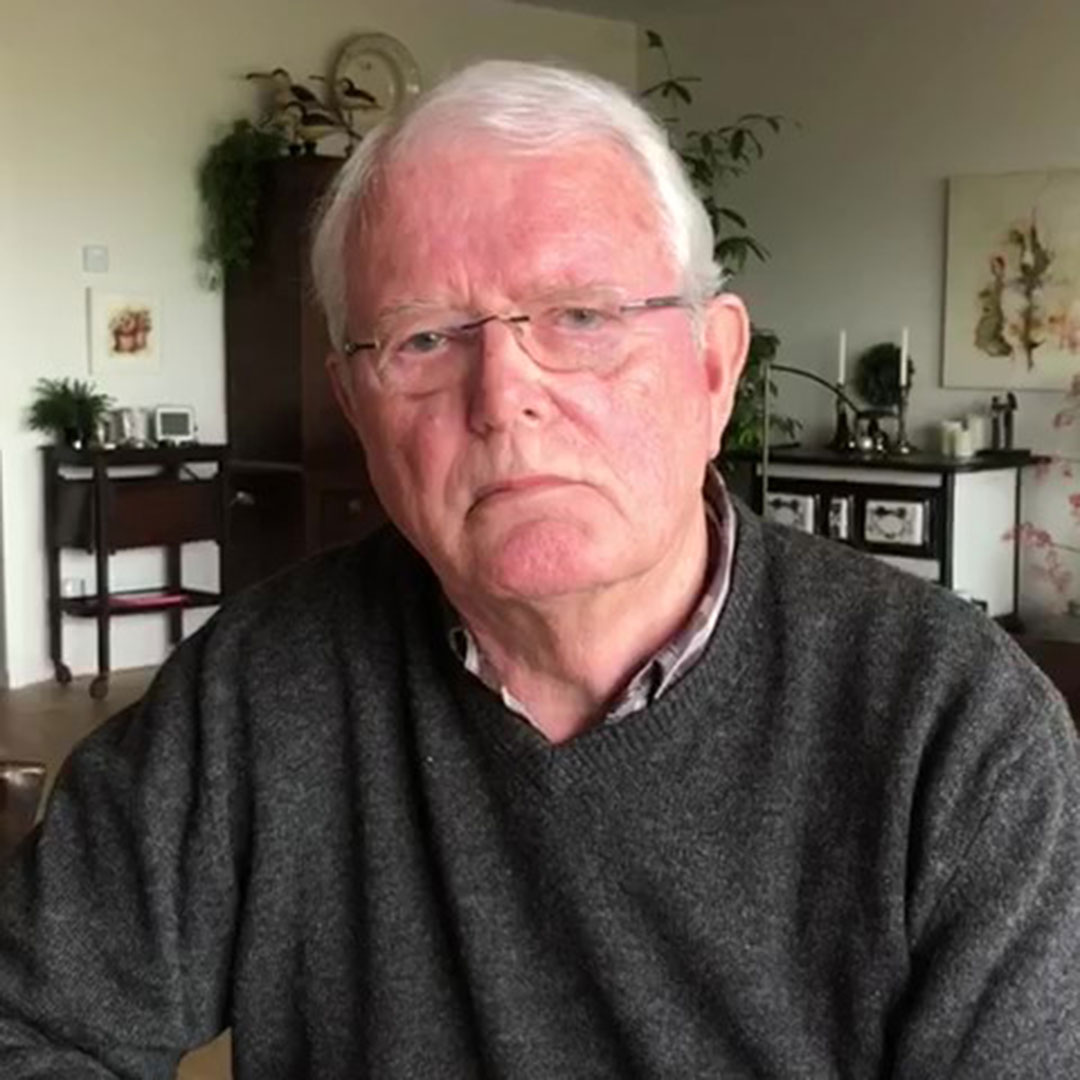
It means a great deal, it has improved my life in many ways. Thanks to the BalanceBelt, I can walk outdoors again without a rollator, although I do still carry a stick for safety (and for kerbsides). My family almost couldn’t believe it when they first saw the difference in the way I move around! I don’t think I could live without the BalanceBelt anymore.

My family almost couldn’t believe it when they first saw the difference in the way I move around.

I’ve always led a very active life, playing golf, walking and cycling. Unfortunately, golf isn’t possible anymore, but I can cycle again with a few smart modifications. When I first tried cycling again after my diagnosis, I fell quite badly because my eyes had trouble finding an orientation point.

However, my stability has really improved since I had adult training wheels fitted to my e-bike. Each spring I visit Dutch Flanders with my wife, where we cycle often. It’s beautiful there! Back home I use my bicycle to run errands or to go to the physio, for example. And I wear the BalanceBelt to keep me stable when I get off the bike.

What I’m really happy about is that I can go walking again. During the day at least, at night I still don’t like to walk outside, even with the BalanceBelt. It is simply too difficult to find my orientation in the dark. But in daylight, I walk about 1-2 miles most days, in nature, or just to go to the shops. I’m turning 78 this year and I’ve also just had a hip replacement, so I’m quite content that I can still live such an active life.

I’m turning 78 this year and I’ve also just had a hip replacement, so I’m quite content that I can still live such an active life.

When do you use the BalanceBelt?
I mostly use it to go walking, do groceries and when I go cycling, for when I get off the bike.

Could you describe the difference between walking with or without the BalanceBelt?
Without the BalanceBelt I walk with my legs wide apart and as if I’ve had a drink too many. When I’m wearing the BalanceBelt, people around me often don’t even notice that I have a balance disorder.

Would you recommend the BalanceBelt to someone with a balance disorder?
Yes, absolutely. Thanks to the BalanceBelt, I am still able to live an active life, which wouldn’t otherwise be possible. So I would recommend it to anyone with a comparable balance disorder: Try the belt and see if it helps you as well.*

Many thanks for sharing your experiences with us!

Het bericht Mr van Tijen: “I can still live an active life thanks to the BalanceBelt.” verscheen eerst op BalanceBelt.

]]>
An interview with Prof. Dr Kingma, the man behind the BalanceBelt https://balancebelt.net/en/an-interview-with-prof-dr-kingma-the-man-behind-the-balancebelt/ Thu, 01 Oct 2020 11:07:13 +0000 https://balancebelt.brthrs.io/?p=11189 Het bericht An interview with Prof. Dr Kingma, the man behind the BalanceBelt verscheen eerst op BalanceBelt.

]]>

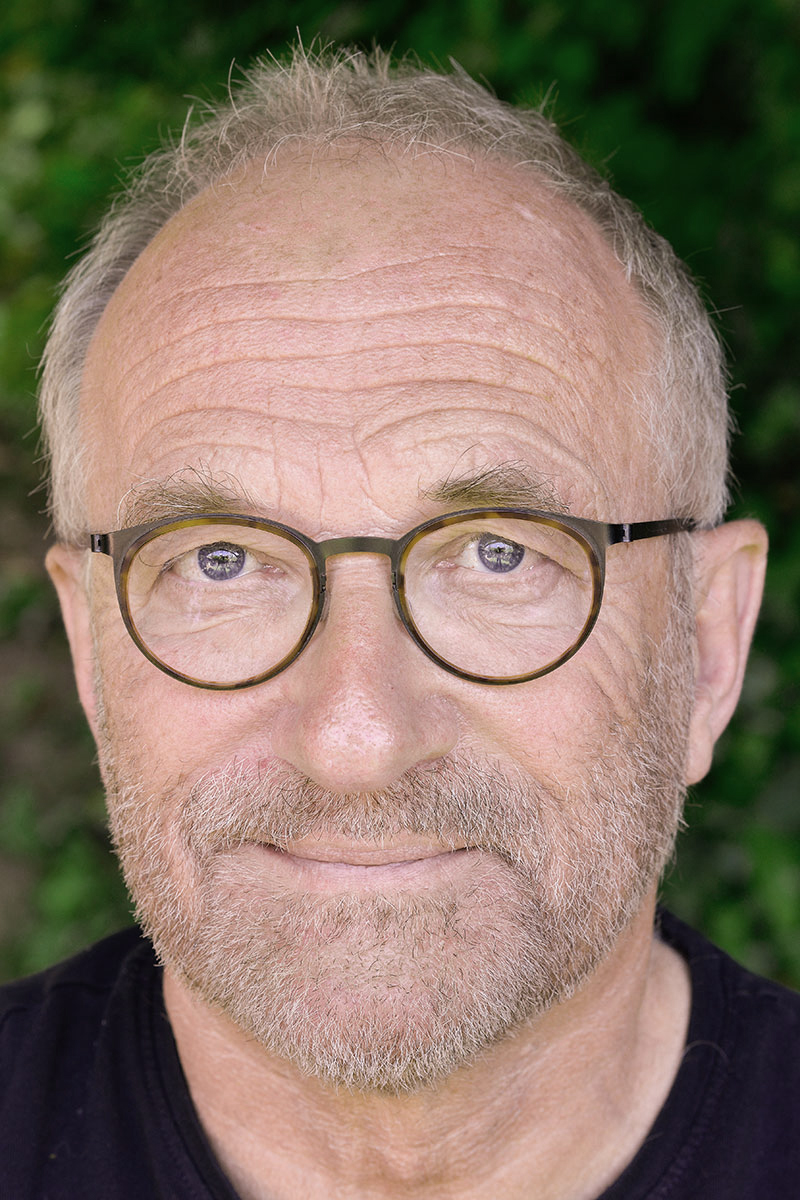
Originally a biophysicist, Prof. Kingma has been studying and treating balance disorders since he joined the Vestibular Clinic of Maastricht University in 1983. In 2002, frustrated by the lack of treatment options for his patients, he decided to develop a balance aid wearable himself. Nearly 18 years later, the BalanceBelt is launched and available worldwide to patients with balance disorders. We caught up with him on a video call.

Welcome, Prof. Kingma. It must be a busy and exciting time for you. Yes, after so many years of testing and developing the BalanceBelt, it is finally ready for daily use and production at scale. I cannot tell you how happy I am that more balance disorder patients will now be able to experience the positive effects of the BalanceBelt.

What prompted you to start developing the BalanceBelt in the first place?
During my time as a clinician at the Vestibular Clinic of Maastricht University, I saw many patients with balance disorders lose their enjoyment of life. This was especially true for patients with Bilateral Vestibular Loss (BVL). Patients who suffer from this disorder have balance organs that function very poorly or not at all, causing them to continually feel unstable, as if they are about to fall. This obviously limits their ability to walk and move around independently.

The treatment options for these patients were extremely limited, so I started researching possible solutions myself. I think it helped that I had such a wide background: my contact with patients helped me understand what they really needed, while my technical background gave me the specialist knowledge and contacts to actually develop the wearable.

And what gave you the idea to use haptic feedback to help these patients?
There was already a treatment option available which uses haptic feedback to support physiotherapy for balance disorder patients. But the problem with physiotherapy in these cases is that the balance organs cannot really be trained. The therapy helps build muscle strength and reduce anxiety but is not very effective at helping patients in their daily lives. In that sense it is a bit like a hearing aid, which is also ineffective unless the patient is wearing it.

That is why I wanted to develop an ambulant treatment option so patients could benefit from the biofeedback while going about their daily lives. This would go a long way toward helping them move around independently and confidently, and have a huge impact on their quality of life.

How does the BalanceBelt work?
The BalanceBelt contains several tiny vibration motors (tactors) and an accelerometer. The accelerometer senses the direction the wearer is leaning toward and the tactors provide vibrational feedback to alert the wearer about their body position. This feedback is interpreted subconsciously, helping the wearer correct their posture and improve balance this way.

How does the BalanceBelt work?
The BalanceBelt contains several tiny vibration motors (tactors) and an accelerometer. The accelerometer senses the direction the wearer is leaning toward and the tactors provide vibrational feedback to alert the wearer about their body position. This feedback is interpreted subconsciously, helping the wearer correct their posture and improve balance this way.

What were the main obstacles in the development of belt?

The first versions of the wearable were developed together with Maastricht University and Maastricht instruments. The positive effect on patients’ mobility and quality of life was clear, but these early versions were still incredibly expensive to produce and rather bulky. It was also difficult to find the best way to apply the haptic feedback, what patterns to use, how to make it effective with being irritating, where to apply it, etc.

We struggled for quite some time to improve the design. To me, it was important that the belt was both affordable and comfortable to wear all day. I didn’t want a high price being a barrier for patients to benefit from the BalanceBelt. And I knew that adherence would suffer if the belt was heavy and bulky: Regardless of how beneficial the haptic feedback is, comfort is a major issue as the device needs to be worn all day. Low adherence, where patients have trouble sustaining a treatment, is a widespread problem in any medical field; it can drop as low as 50% in some cases. I wanted to prevent this at all costs.

The development really sped up when we invited Elitac Wearables to the project in 2018. They applied their expertise in haptic feedback and wearables development and made the belt much more affordable, lightweight and comfortable to wear. And through their partnership with distribution partner Salesco, they are able to make the BalanceBelt available to patients worldwide.

What are the plans for the future?
We are working with ENT doctors in 18 different countries to find out whether the BalanceBelt can help their patients too. And we are organizing a large double-blind patient study in Denmark and The Netherlands, to find out if the BalanceBelt can also help patients suffering from other types of balance disorders.

It’s been a long road, but it’s been worth it to see the joy on my patients’ faces when they start regaining their confidence moving around. Hopefully, we can do the same for patients in other countries now.

Many thanks for taking the time to talk to us!

Het bericht An interview with Prof. Dr Kingma, the man behind the BalanceBelt verscheen eerst op BalanceBelt.

]]>